We are not a registered HMO/Medicare/Medicaid provider instead, try our Membership Plan



Knocked-Out Tooth Emergency in San Leandro, CA
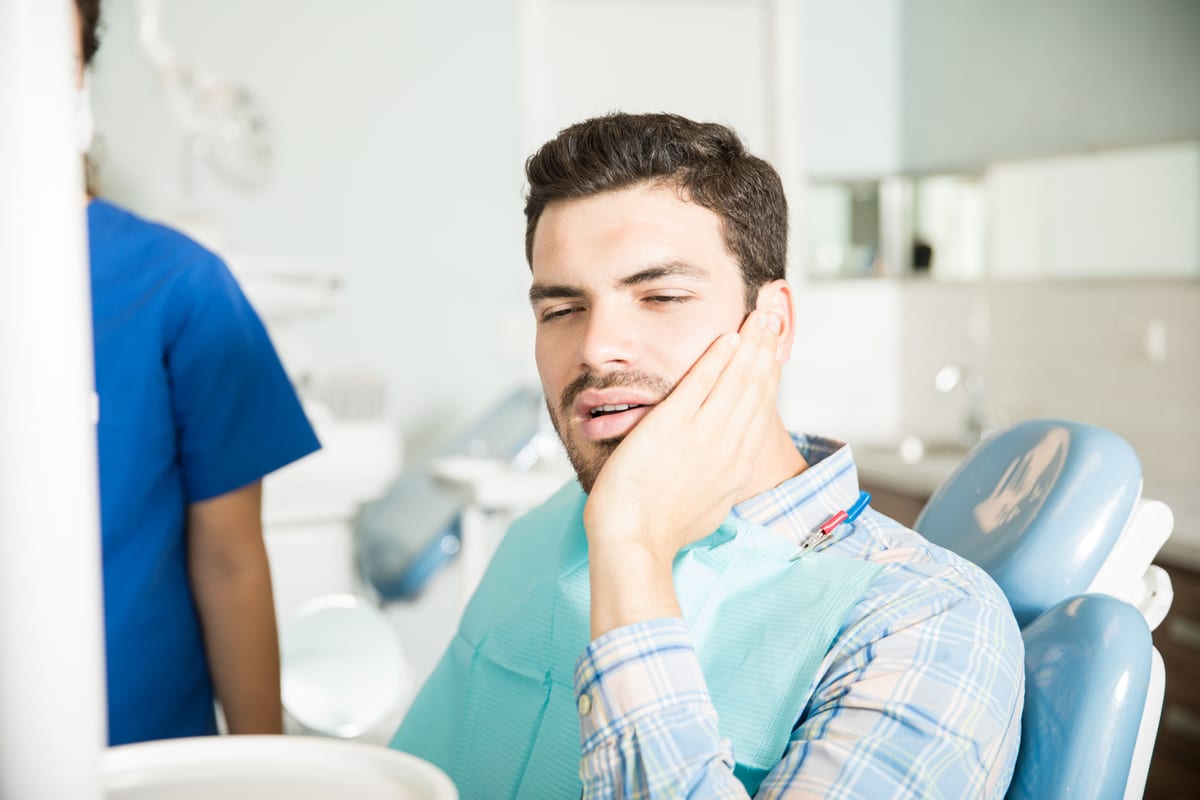
A knocked-out tooth is one of the scariest dental emergencies you can face. If you live in Ashland, CA, knowing what to do in the critical first 30 minutes can mean the difference between saving and losing your tooth. Acting quickly and correctly gives you the best possible chance of a full recovery. This guide walks you through every step so you are prepared before disaster strikes.
Why the First 30 Minutes After a Knocked-Out Tooth Matter Most in Ashland
When a tooth is knocked out, the living cells on the root surface begin to die almost immediately. Dentists call this the periodontal ligament — it is the tissue that helps reattach your tooth to the bone. These cells survive best when you act within 30 minutes of the injury. After one hour, the odds of successful reimplantation drop significantly.
Ashland residents are close to professional dental care, which is a major advantage. Knowing the right steps before you arrive at the office is equally important. Speed and technique together give your tooth the best chance. Do not wait to see if the pain goes away on its own.
A Dental Emergency like a knocked-out tooth requires immediate professional attention. Dr. Ryan Woo and the team at Woo Family Dentistry are experienced in handling these urgent situations. Same-day dentistry options mean you do not have to wait for care when every minute counts.
Step-by-Step: What to Do the Moment Your Tooth Is Knocked Out
Stay calm. Panic leads to mistakes that can damage the tooth further. Follow these steps in order, and move as quickly as you safely can.
- Pick up the tooth by the crown — that is the white chewing part. Never touch the root.
- Rinse gently with clean water if the tooth is dirty. Do not scrub, soap, or dry it.
- Try to reinsert the tooth into the socket if you can do so without force. Bite down softly on a clean cloth to hold it in place.
- Store the tooth properly if reinsertion is not possible. Place it in a glass of milk, saline solution, or between your cheek and gum.
- Call your dentist immediately and head to the office right away. Do not stop for any unnecessary errand.
Never wrap the tooth in a dry tissue or paper towel. Dry storage kills the root cells within minutes. Milk is your best storage option if a tooth-preservation kit is not available.
Children under five who lose a baby tooth should still see a dentist. The dentist will confirm it was a primary tooth and check for any other damage. Reimplantation is not always recommended for baby teeth, but a professional evaluation is always necessary.
How to Handle Pain and Bleeding While You Travel to the Dentist
Bleeding from the socket is normal after a tooth is knocked out. Apply gentle pressure with a clean gauze pad or cloth. Hold it firmly in place for ten to fifteen minutes without peeking.
Swelling will likely develop around the area of impact. Apply a cold pack wrapped in a thin towel to the outside of your cheek. Use it for ten minutes on and ten minutes off. This reduces swelling and eases discomfort during transport.
Over-the-counter pain relievers like ibuprofen can help manage pain on the way to the office. Avoid aspirin, which can increase bleeding. Do not take more than the recommended dose on the packaging label.
Do not eat or drink anything except what is needed to store the tooth safely. Keep the injured area as still as possible. Talking and chewing can dislodge a reinserted tooth or worsen the injury site.
What Happens When You Arrive at Woo Family Dentistry
When you arrive at our San Leandro office serving Ashland, our team will act fast. Dr. Ryan Woo will assess the tooth and the socket right away. X-rays help determine whether bone damage or root fracture has occurred alongside the avulsion.
If the tooth is viable, Dr. Woo will reimplant it and stabilize it with a temporary splint. This splint bonds the injured tooth to neighboring teeth for support. You will need to follow up over the next few weeks as the tooth reattaches.
In some cases, reimplantation is not possible. This may happen if too much time has passed or the root is severely damaged. In those situations, Dr. Woo will discuss replacement options such as dental implants to restore your smile and function.
- Reimplantation and splinting when the tooth is viable
- Root canal treatment may be needed within a week or two after reimplantation
- Follow-up visits to monitor healing and bone response
- Dental implant consultation if the tooth cannot be saved
- Guidance on protecting the area and resuming normal activities safely
Regular Dental Exams Cleanings with Dr. Woo can also help identify risks before emergencies happen. Strong, healthy teeth and gums are more resilient during accidental impacts. Prevention and preparedness work best together.
How to Prevent a Knocked-Out Tooth in the Future
Not every accident is preventable, but many dental injuries can be reduced with simple protective measures. Being proactive protects your smile long-term.
Wearing a properly fitted mouthguard during contact sports is the single most effective step you can take. Stock mouthguards from a pharmacy offer some protection. Custom mouthguards made by your dentist offer a far superior fit and higher level of safety.
Avoid habits that weaken teeth over time. Do not use your teeth to open packages, bite nails, or chew on hard objects like ice. These habits create micro-cracks that make teeth more vulnerable to trauma.
If you grind your teeth at night, ask Dr. Woo about a night guard. Grinding weakens enamel and increases fracture risk. A night guard is a simple solution that protects your teeth while you sleep.
Conclusion: Be Ready Before an Emergency Happens
A knocked-out tooth in Ashland is a true dental emergency — but it is also treatable if you act within that critical 30-minute window. Stay calm, handle the tooth correctly, and get to your dentist as fast as possible. The steps you take in those first moments determine the outcome. Dr. Ryan Woo and the Woo Family Dentistry team are here to help Ashland patients restore their smiles after unexpected dental trauma. Book Now to schedule your appointment with our team.
Frequently Asked Questions
Can a knocked-out tooth really be saved after 30 minutes?
It becomes much harder after 30 minutes, but it is not impossible. The root cells deteriorate quickly outside the mouth. Proper storage in milk or saline can extend the window slightly. Always seek care as soon as possible regardless of how much time has passed.
What is the best way to store a knocked-out tooth?
The best option is to reinsert it gently into the socket and hold it there. If that is not possible, store it in cold milk, saline solution, or between your cheek and gum. Never let the tooth dry out or wrap it in a tissue. Dry storage destroys root cells within minutes.
Should I try to reinsert my child’s knocked-out tooth?
If it is a permanent tooth, yes — try to reinsert it gently and call your dentist immediately. If it is a baby tooth, do not attempt reinsertion. Baby teeth reimplantation can sometimes interfere with the permanent tooth developing beneath it. See a dentist right away to assess the situation properly.
Will I need a root canal after my tooth is reimplanted?
In many cases, yes. Root canal treatment is often needed within one to two weeks after reimplantation. The trauma to the tooth frequently causes the nerve to become non-vital over time. Dr. Woo will monitor your tooth closely and recommend treatment at the right time.
What tooth replacement options are available if my tooth cannot be saved?
Dental implants are one of the most effective long-term options for replacing a lost tooth. They look, feel, and function like natural teeth. Dr. Ryan Woo can evaluate your bone health and recommend the most appropriate solution for your specific situation during a consultation at Woo Family Dentistry.



Want to schedule an appointment?
Ready to book your next appointment? Let's find the perfect time for you!