We are not a registered HMO/Medicare/Medicaid provider instead, try our Membership Plan



How Often Should You Visit a Dentist? A Local Guide for San Leandro Patients

How well you take care of your dental health determines whether your smile stays as bright as you desire. Regular dental visits help your teeth remain strong and healthy. But how often should you see your dentist? Several factors should be considered when deciding how frequently to schedule dental checkups. This guide will help you understand the importance of routine visits, what to expect during them, and why it’s essential to prioritize your oral health.
Why Regular Dental Visits Matter
Routine visits to your local dentist are about more than just getting your teeth cleaned. Dental checkups provide an opportunity to detect potential issues early, preventing more serious problems down the road. From cavities to gum disease, regular visits to your dentist help ensure your smile stays healthy and vibrant.
The Standard Recommendation: Every Six Months
Most dental professionals recommend visiting the dentist every six months for a routine cleaning and checkup. This schedule is ideal for maintaining optimal oral health. Here’s why:
- Preventive Care: Regular cleanings help prevent the buildup of plaque and tartar, which can lead to cavities and gum disease.
- Early Detection of Issues: A dentist can spot early signs of tooth decay, gum disease, or even oral cancer before they become serious problems.
- Professional Cleaning: While brushing and flossing at home are essential, only a dentist can remove the hardened plaque (tartar) that builds up on your teeth.
Factors That Can Affect Your Visit Frequency
While the six-month rule is a good guideline, some people may need to visit more or less often. Several factors influence how often you should see your dentist in San Leandro.
1. Personal Oral Health History
If you have a history of cavities or gum disease, your dentist may recommend more frequent visits. People with these issues may need to visit every three to four months for deep cleanings or additional monitoring.
2. Diet and Lifestyle
If you consume a lot of sugary foods, drink coffee or wine, or smoke, you may need more frequent visits. These factors can lead to plaque buildup, staining, and increased risk of gum disease. Regular checkups will help mitigate these risks and maintain your dental health.
3. Age and Developmental Stages
Children, seniors, and pregnant women have different dental needs. For children, the dentist might recommend checkups every six months to ensure their teeth are developing properly. Pregnant women, on the other hand, may need to visit the dentist more frequently due to hormonal changes that can affect gum health. Seniors may need additional visits for denture care or to monitor signs of oral cancer.
4. Specialized Treatments
If you’re undergoing orthodontic treatment, such as braces or Invisalign, more frequent visits may be required. Your dentist will need to monitor your progress and make adjustments to your treatment plan as needed.
What Happens During a Dental Visit?
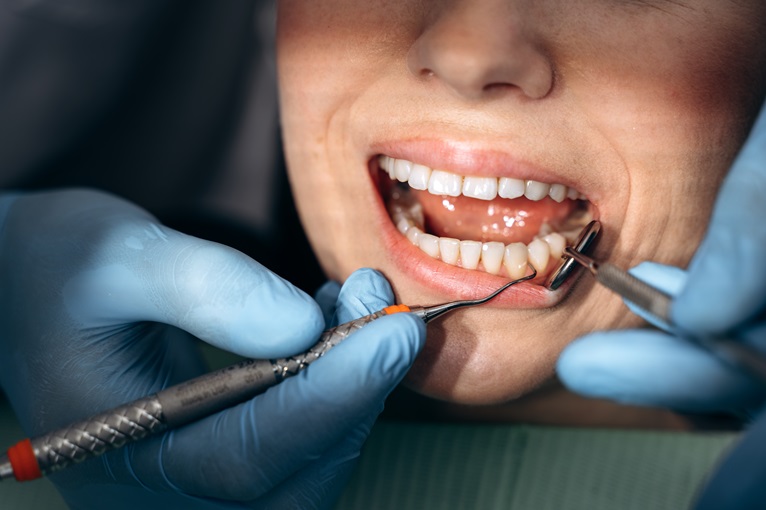
When you come in for a routine dental visit in San Leandro, you can expect a few key steps:
- Dental Cleaning: A dentist will clean your teeth, removing plaque and tartar buildup that you can’t eliminate with regular brushing and flossing.
- Examination: Your dentist will examine your teeth and gums for any signs of cavities, gum disease, or other oral health issues.
- X-Rays (if needed): Depending on your age, health, and history, your dentist may take X-rays to look for problems beneath the surface of your teeth and gums.
- Oral Cancer Screening: Dentists also check for signs of oral cancer during routine visits, especially if you have a history of smoking or alcohol use.
How to Know When You Should Visit More Frequently
While every six months works for most people, some oral conditions may require more frequent visits. If you experience any of the following, you may need to see your dentist sooner:
- Tooth Pain: Unexplained pain, sensitivity to hot or cold, or discomfort when chewing can indicate a problem like a cavity or infection.
- Bleeding Gums: Gum bleeding, especially when brushing or flossing, is a sign of gum disease and should be addressed immediately.
- Bad Breath: Persistent bad breath, also known as halitosis, could be a sign of a more serious dental or medical issue.
- Tooth Sensitivity: Sensitivity to hot, cold, or sweet foods could indicate underlying issues with your teeth or gums.
How to Make the Most of Your Dental Visits
To get the most out of your dental checkups, it’s essential to practice good oral hygiene at home. Here are a few tips:
- Brush and Floss Regularly: Brush your teeth at least twice a day and floss once daily. This will help reduce plaque buildup and keep your gums healthy.
- Watch Your Diet: Eat a balanced diet that limits sugary snacks and beverages. Drink plenty of water to keep your mouth hydrated.
- Avoid Tobacco: Smoking and chewing tobacco can cause gum disease and oral cancer. If you need help quitting, talk to your dentist for advice.
Maintaining a healthy smile starts with regular dental visits. Don’t wait until problems arise – schedule an appointment with Woo Family Dentistry in San Leandro today to keep your smile in top shape. Whether it’s your first checkup or your next routine visit, we’re here to provide the care you need for a healthy, beautiful smile.
Frequently Asked Questions (FAQs)
Q1. How often should I get a teeth cleaning in San Leandro?
For most patients, getting a cleaning every six months is sufficient. However, if you have specific dental concerns or habits, you may need more frequent visits. Your dentist will help determine the best schedule.
Q2. What should I do if I experience tooth pain before my next visit?
If you’re in pain, don’t wait for your regular appointment. Contact your dentist in San Leandro to schedule an emergency appointment to address the issue.
Q3. Can regular dental visits prevent cavities?
Yes! Regular checkups and cleanings can help detect cavities early and remove plaque buildup, preventing cavities from forming.
Q4. Is it necessary to visit a dentist if I have no dental pain?
Yes! Even if you’re not in pain, regular checkups are essential for catching issues early.

Want to schedule an appointment?
Ready to book your next appointment? Let's find the perfect time for you!