We are not a registered HMO/Medicare/Medicaid provider instead, try our Membership Plan



Top Signs You Might Need a Tooth Pulled: Insights from a Dentist
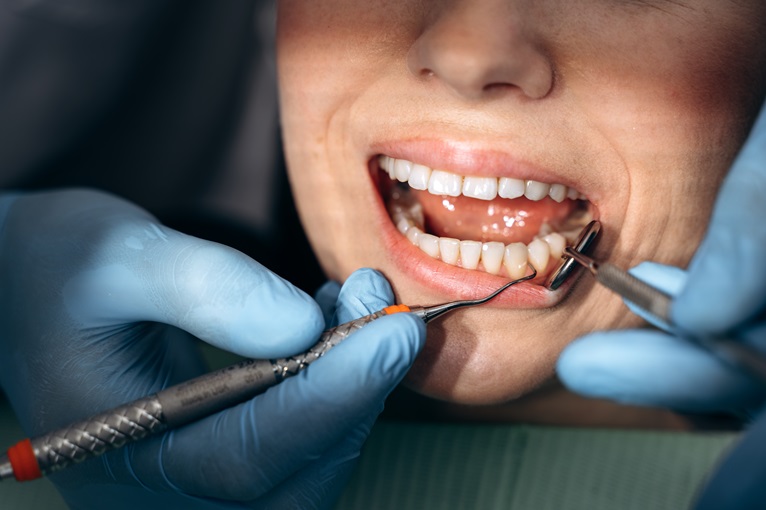
Dental issues can be frustrating, especially when determining whether a tooth needs to be removed. Tooth removal can seem like a frightening prospect, though it’s often the best way to maintain your oral health. Recognizing the signs that it’s time to visit a dentist for possible tooth extraction can help lighten your concerns and get you the care you need. In this blog, we’ll share the key signs that may indicate you should have a tooth pulled and offer some tips on what you can expect during the tooth extraction process.
Severe Tooth Pain
Intense pain is one of the most common indicators that you may need a tooth pulled. Severe, ongoing pain is never normal. If a toothache has persisted for days or even weeks and nothing over the counter is helping with the pain, that’s a warning sign. In many instances, this type of pain could be a sign of an infection or decay deep in the tooth near the pulp. Once the tooth becomes infected, it may no longer be recoverable, and your dentist might suggest a tooth extraction in San Leandro to prevent the infection from spreading to other teeth or areas of the mouth.
Impacted Wisdom Teeth
Third molars, or wisdom teeth, often lack sufficient space to erupt and become impacted. These teeth may become impacted and, upon eruption, cause pain, swelling, infection, or damage to adjacent teeth. If you are experiencing pain in the back of your mouth, it may be time to speak with a dentist about having your wisdom teeth removed. Removing impacted wisdom teeth helps maintain ideal oral health while relieving recurring pain.
Tooth Damage Beyond Repair
Fractured, cracked, or rotting teeth would need to be extracted. On occasion, a tooth is so damaged that no amount of filling, crown, or root canal treatment will restore it properly. If the damage is severe and involves the root of the tooth, a dentist may advise removing it to avoid additional complications. In these cases, prompt action is vital to prevent infection or other complications.
Overcrowding
Dental patients often need teeth extracted to create space for braces or other dental appliances. If your teeth are crowded or misaligned, you may need an extraction to achieve a straight smile. Poor-fitting teeth can lead to bite and jaw alignment issues, as well as oral health problems. To find out whether your dental treatment would be more effective with a tooth removal, we’d need to schedule an appointment with the dentist San Leandro trusts.
Gum Disease (Periodontal Disease)
Periodontitis is a chronic disease that begins with mild gum inflammation and can progress to severe complications, including tooth extractions. In advanced stages of the infection, the gum and supporting bone structures become damaged, leading to loose teeth. For a loose or severely infected tooth, it may need to be extracted. Early gum disease treatment and good oral hygiene can help prevent the need for extractions.
Abscessed Tooth
A dental abscess is a painful infection in the root of a tooth, often caused by untreated decay or trauma. An abscess may sometimes be resolved with a root canal. But if the infection has progressed and the tooth can’t be saved, tooth extraction may be a better option. If you see a pimple-like bump on your gums or feel throbbing pain near a tooth, that may indicate an abscess. Call Woo Family Dentistry to schedule a dental check-up.
Loose Teeth
If a tooth is knocked out by trauma or severe gum disease, it might not be saved. Having a loose tooth can cause discomfort and make it difficult to chew and speak. In those cases, removal could be required to avoid damaging other teeth and restore your ability to eat and speak without pain.
Difficulty Chewing or Speaking
If a tooth is causing trouble with chewing or speaking, it may need to be extracted. This may result from injury or infection, in which the damaged tissues are broken down and absorbed by the body. In these situations, a tooth extraction can ease stress on your system by helping keep your mouth healthy along with the rest of your body.
Advanced Age
The enamel on our teeth naturally wears and thins as we get older. This can cause breaking, chipping, and decay. For some senior patients, tooth extraction is required due to tooth wear and tear. If you are dealing with ongoing pain or recurring dental problems, it might be worth discussing extraction options with your dentist.
Chronic Halitosis or Bad Taste in the Mouth
If your breath stinks or you have a bad taste in your mouth that won’t go away even after brushing and flossing, it could be a sign of an infection, decay, or an abscess in one or more teeth. This occurs when bacteria and other debris accumulate in an infected tooth. If so, the tooth may need to be extracted to remove the source of the problem and restore your dental health.
When You Should Visit a Dentist for Tooth Extraction
If you’re noticing any of the symptoms listed above, it’s essential to contact Woo Family Dentistry sooner rather than later. Your dentist will review your general health and examine your condition and symptoms to decide whether removal may be required. Do not let the problem deteriorate, and do get some early intervention!
At Woo Family Dentistry, we make every effort to make your tooth extraction as comfortable and stress-free as possible. Our friendly and caring staff will be with you every step of the way, ensuring you understand your treatment options.
Don’t let your teeth hold you back from smiling with confidence. If you believe a tooth extraction may be necessary, it’s time to schedule a consultation with your San Leandro dentist today. The team at Woo Family Dentistry helps you make the most informed choices for your oral health.
FAQs
1. Is tooth extraction painful?
While it’s normal to feel some discomfort during and after the procedure, local anesthesia is used to numb the area. Most patients experience minimal pain, and any discomfort can be managed with prescribed medications.
2. How long does it take to recover from a tooth extraction?
Recovery time varies depending on the complexity of the extraction. Most patients experience a full recovery within 1 to 2 weeks, with swelling and discomfort subsiding in a few days.
3. Can I eat after a tooth extraction?
It’s important to follow your dentist’s instructions regarding eating after an extraction. For the first 24 hours, avoid chewing on the side of the extraction and stick to soft foods. Gradually return to normal eating as you heal.
4. How can I prevent the need for a tooth extraction?
Good oral hygiene habits, such as regular brushing, flossing, and professional dental check-ups, can help prevent decay and other issues that may lead to extractions. Early treatment of dental problems can save your teeth and prevent the need for extractions.


Want to schedule an appointment?
Ready to book your next appointment? Let's find the perfect time for you!